


CFS shipping is a vital concept in B2B logistic business. This blog post will explain the CFS container freight station’s meaning, role, and essential functions.
CFS Meaning in Shipping
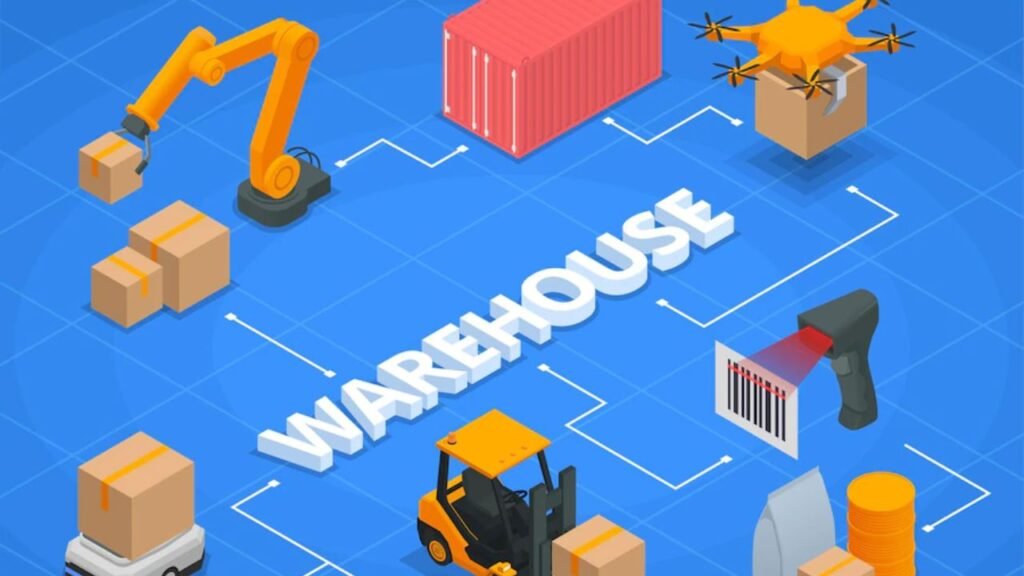
CFS (container freight station) is a bonded warehouse station in charge of consolidating cargo before the goods or products are exported or imported. The container freight station is involved in an export-import transaction, both at the point of origin and the destination.
In other words, a container freight station (CFS) in shipping is where the goods are kept before loading and after unloading the cargo.
What Is CFS Shipping?
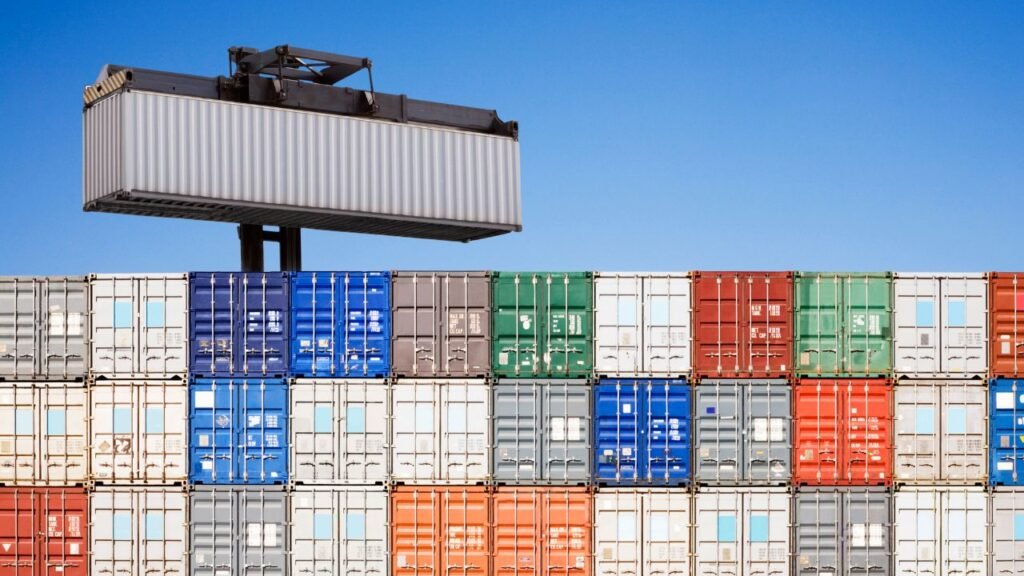
A container freight station is where cargo is delivered in smaller quantities than a full container load (LCL shipment). The cargo is then loaded into containers at the CFS container freight station before being taken to the destination CFS to unload the containers.
What Are the Functions Of CFS?
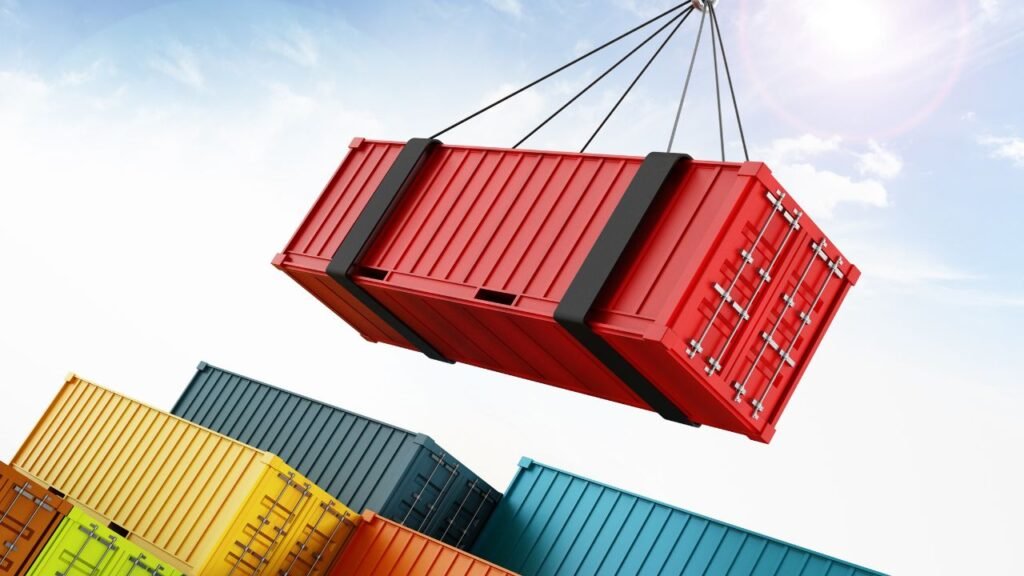
Here’s what a CFS container normally does:
· Utilize free spaces to become a temporary storage facility for cargo
· Overlook the customs clearance processes while guaranteeing the goods are kept safe until picked up or shipped
· Regular maintenance and prompt servicing of the containers
· Keep an account of containers before and after shipping and sort them correspondingly.
· Manage transportation of laden containers to the corresponding terminal or port
· Arrange and rearrange empty containers from container yards
· Assign particular seals and marks to the containers for identification purposes
· Chalk out a container load plan
· Acquire and consolidate LCL shipments for export
· De-consolidated the container at destination container freight stations
· Dispatch the CFS shipment for delivery
What Are the Responsibilities of CFS?
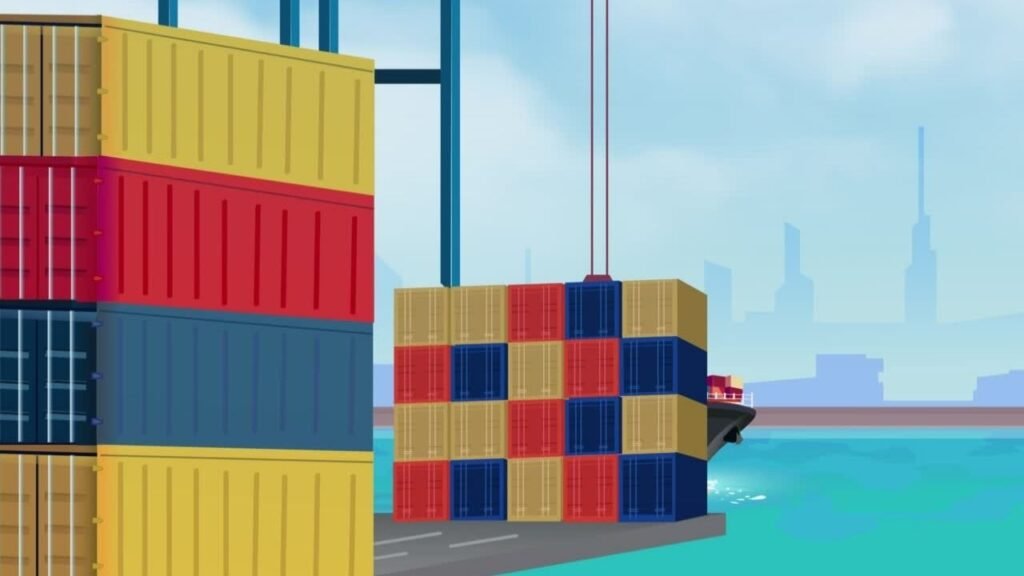
Remember that the container freight station must ensure the goods are safe and locked until they are picked up or shipped. Making sure the good’s safe means they need to ensure the goods are properly sorted and ready for the next shipping process.
At any time, a CFS container may have shipments about to be exported. Others await pickup by the consignee, and some have arrived. As such, administration and logistics are some of the crucial functions of the CFS container or container freight station.
CFS Warehouse Fees
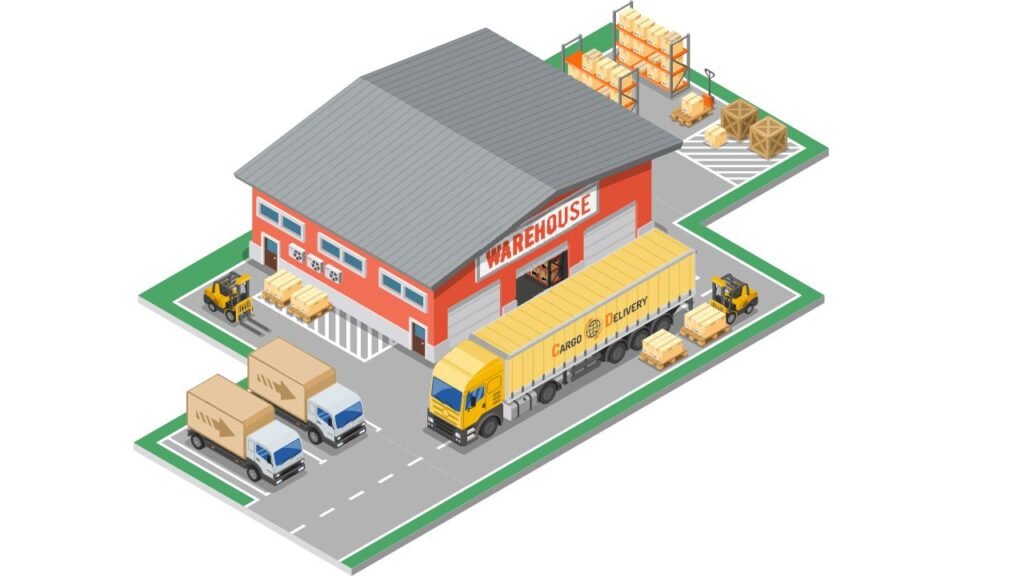
CFS warehouse fees differ among the various providers. That’s why it is essential to confirm and verify how much the bonded warehouse fees are, especially for Ozean LCL shipments.
The CFS charges may charge various fees depending on the forwarder utilized since many freight forwarder consolidators could have various contracts with the warehouse.
How Does a Container Freight Station Work?

Container freight station has become a crucial part of the shipping business. It plays a vital role in the import and export process. Here’s how container freight stations work:
Role of CFS while Importing goods
· As the full container loads arrive, the importer files a general import manifest at the port. That includes the details on the cargo, importer, and exporter.
· The container is forwarded to the destination CFS (container freight station).
· CFS offloads the cargo and sends it to undergo customs clearance procedures.
· The cargo owner files the bill of entry
· After it has undergone customs clearance procedures and the duty payment is done, it will be forwarded to the customs authorities
· Customs issues bill of entry
· The CFS custodial will dispatch the cargo to the importer with a gate pass
Role of CFS when exporting goods
· The exporter arrives with the loaded containers at CFS with the shipping bill
· Customs authorities start customs clearance procedures for the goods
· Once the procedure is done, customs authorities issue a shipping bill with “let export order.”
· Container freight stations start loading the goods into the container
· The container yard is sealed and marked, and CFS will dispatch it to the terminal or port for export
· The goods are unpacked, and the CFS custodian books for the goods’ receival
Why Does CFS Be Important?
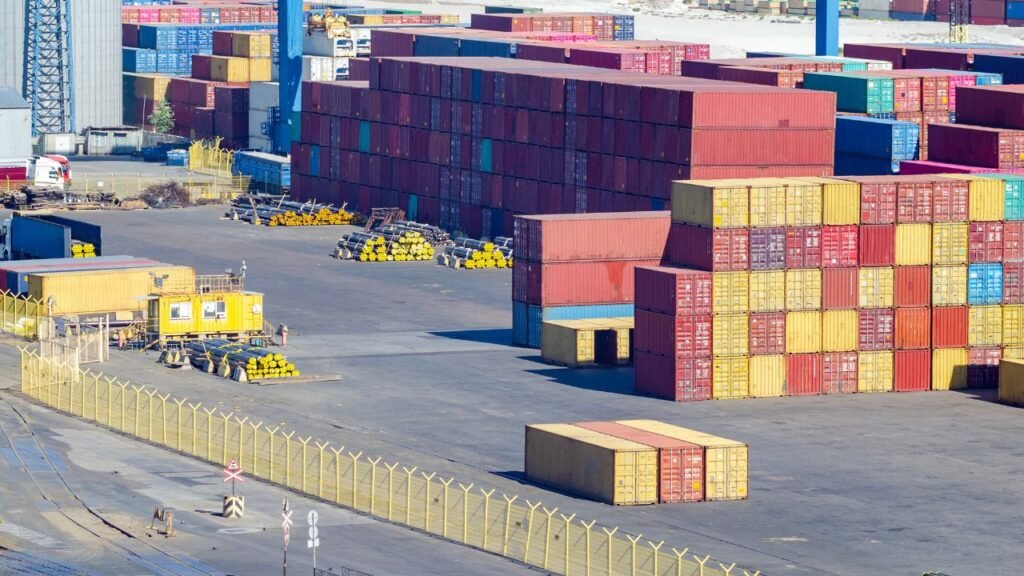
A container freight station will speed up the international shipping process. As long as their warehouse and facilities are prepared, it also guarantees optimum control over the goods. With the proper performance, it also offers cost savings.
On to of that, it brings efficiencies and controls to inland freight movements for multiple shippers. CFS stations also help sustain records of shipments, including customs agents, importer and exporter names, origin and destination points, cargo details, and many more.
What is the Difference between CFS, ICD, Container Yard & Bonded Warehouse?
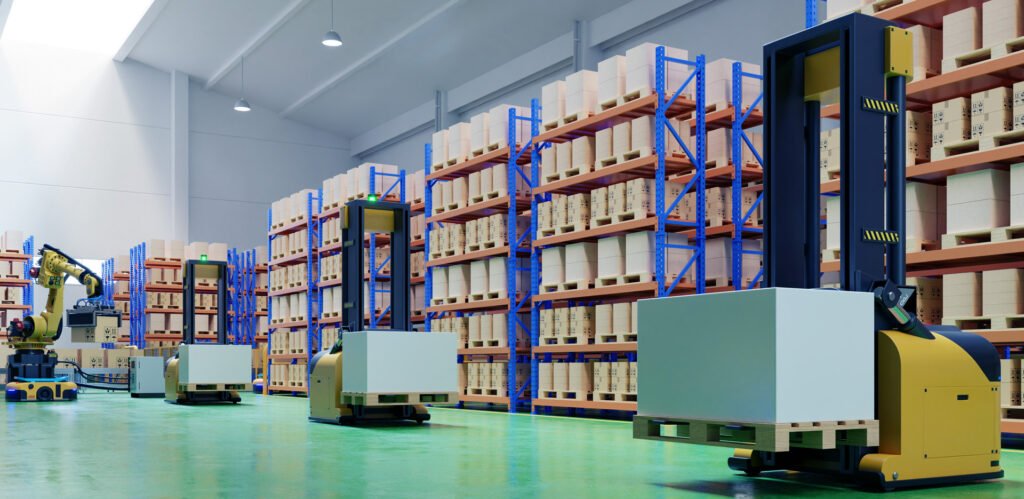
An inland container depot (ICD) is also a transit facility like a container freight station. Nonetheless, the former is located in the country’s interior part, while a CFS is a customs space located close to the ocean destination port. An ICD can also run as an individual entity, while the CFS is only a part of the customs house jurisdiction.
Also, a bonded warehouse holds products that have undergone customs clearance procedures. The goods brought at CFS have to undergo customs clearance and verification.
A container yard in shipping is a space at the port where the FCL containers are transported and stored before loading them into the ship. CFS has the same functionality, but the station processes LCL shipments, not FCL shipments.
FAQs
Here is more information that you want to know about CFS:
What does CFS mean in trucking?
The CFS is often owned by a terminal or shipping line for LCL shipments and is responsible for customs examination and clearance procedures. You must move the goods to the CFS, where the shipping lines should pack all the goods into a shipping container along with other LCL shipments.
What does CFS mean in logistics?
The smoother movement of the containers from place to place is essential for a logistics team to handle their products efficiently.
That offers you the peace of mind needed to run a business and the self-assurance vital to make the ideal business decisions. With CFS charges in place, a lot could change regarding your logistics and shipping order.
· Delays – a failure to negotiate CFS charges on time is one of the top concerns of delays encountered in the industry. It’s essential to have an agreement in place to stop such delays.
· Raised costs – CFS charges contribute to raised costs of logistics. For people considering getting exports or imports, it’s essential to have a partner like XH that helps with this to prevent inflated costs.
· Deteriorating relationships – CFS charges are the bone of contention between customs authority officials and the exporters/importers. Most of the deteriorating relationships between their parties are caused by CFs charges and failure to agree to a number that appeals to both.
What are CY and CFS in shipping?
CY (container yard) refers to the container yard and is the place for storing container shipments after they’re unloaded or loaded into the vessel. The carrier is in charge of the shipment from the container yard at the port of origin until it arrives at the destination port’s container yard.
Such shipments will have one consignee and shipper and may be referred to as FCL shipments.
Meanwhile, CFS is the consignment where the products heading to a specific destination are consolidated at the container freight station. It usually includes LCL shipments at the port of origin. They will be de-consolidated at the container freight station at the destination port.
These will often have multiple consignees, and shippers may be called LCL shipments.
How much does CFS cost?
CFS charges according to the type of container utilized in international shipping. For example, containers over forty feet will have 200% of the 20 feet container fees. For the container’s same size, the ground charges will be 300% of the 20 feet container fees.
What is a CFS facility?
Lastly, CFS facilities are bonded facilities that function as temporary storage for goods that are entering and leaving a specific country. They must be categorized from Free Trade Zone warehouses, which enable long-term storage of goods in shipments.
Remember that a CFS facility plays a crucial role in ocean and air freight.
Conclusion
Have more questions about CFS Container Freight Station? Kontakt us any time. one of our experienced services will reply to you within 24 hours of getting your inquiry.


 English
  Chinese
  Spanish
  Japanese
  German
  Portuguese
  Arabic